If you have been avoiding driving after dark or finding yourself more cautious on Lancaster roads at night, you are not imagining it. Night vision does change with age, and for many adults the shift is gradual enough that it takes a while to realize what is happening. Searching for ophthalmologists in Lancaster, PA often starts with exactly this kind of concern.
This article explains why night vision gets harder, which eye conditions tend to be responsible, and when to have a proper evaluation.
Why Night Vision Changes as You Get Older
The eye has to work harder in low light. The pupil widens to let more light in, the retina adjusts its sensitivity, and the visual system processes dimmer, lower-contrast scenes. When everything is working well, this happens quickly.
With age, several things shift. The pupil does not open as wide. The lens becomes less clear. Light-sensitive cells in the retina lose efficiency. According to the National Eye Institute, cataracts affect an estimated 24.4 million Americans age 40 and older, and difficulty seeing at night is often one of the first changes people notice.
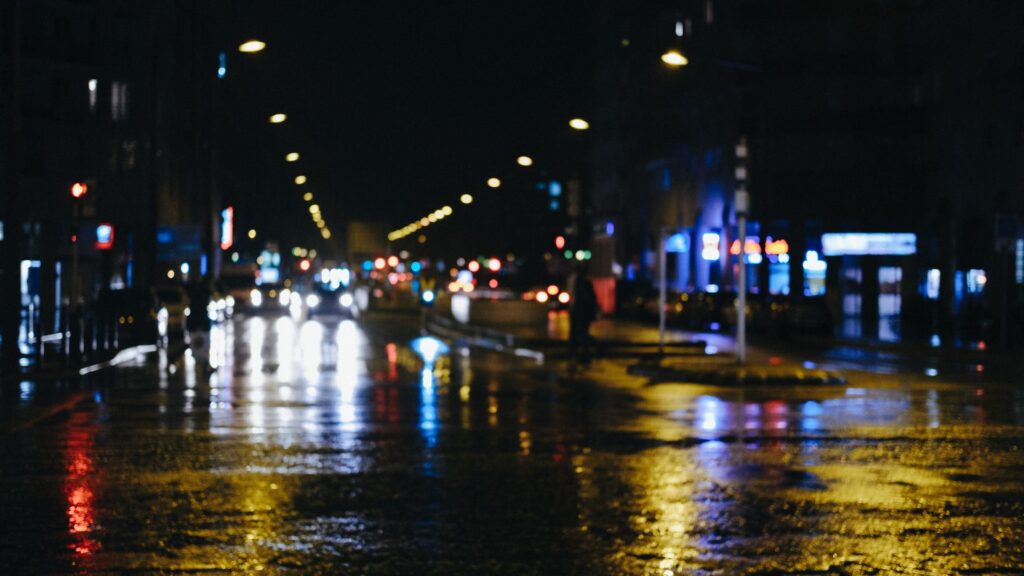
For many Lancaster residents, this shows up during a commute home on Route 30 or a drive back from dinner. Oncoming headlights seem brighter. Signs are harder to read in time. The road feels less certain.
Eye Conditions That Make Night Vision Worse
While age-related changes are one part of the picture, certain eye conditions accelerate or deepen the problem. Here are the ones ophthalmologists in Lancaster, PA see most often.
Cataracts
A cataract clouds the eye’s natural lens, scattering incoming light rather than focusing it cleanly. At night, this creates halos and glare around headlights and streetlamps. The effect can be dramatic even before a cataract significantly affects daytime vision. Many patients describe it as driving through a fog of light.
Glaucoma
Glaucoma damages the optic nerve and reduces peripheral vision over time. Because peripheral vision plays a key role in navigating low-light environments, its loss makes nighttime driving feel less safe and more effortful. The American Academy of Ophthalmology notes that glaucoma often has no early symptoms, which is why regular eye exams are essential for adults over 40.
Dry Eye
This one surprises people. Dry eye affects the tear film that coats the cornea, and an unstable tear film scatters light unpredictably. At night, when there is already less visual information coming in, this scattering compounds the problem. Glare, halos, and blurred vision are all worse when the eye’s surface is not staying properly lubricated.
Diabetic Retinopathy
Diabetes affects the small blood vessels in the retina, and early retinal changes can reduce the eye’s ability to adapt to low light. Adults managing diabetes who notice increasing difficulty with night vision should mention it at their next eye exam.
Practical Signs That Your Night Vision Deserves Attention
Not every change in night vision points to a serious problem. But certain patterns are worth discussing with an ophthalmologist.
- Halos or starbursts around headlights and streetlamps
- Needing noticeably more time to adjust after coming from bright light
- Difficulty reading road signs until you are very close to them
- Increased anxiety or avoidance around evening driving
- Blurred or washed-out vision in dimly lit rooms or restaurants
Any of these that has developed gradually over months, or worsened noticeably in the past year, is a reasonable reason to schedule a dilated eye exam.
Night vision changes are not just an inconvenience. They can be an early indicator of a treatable condition that an ophthalmologist can identify and address.
What Ophthalmologists in Lancaster, PA Look for During an Exam
A dilated eye exam gives a physician a direct view of the lens, optic nerve, and retina. This is how cataracts, glaucoma, and retinal changes are detected before they progress significantly.
For adults concerned about night vision, the exam provides a clear picture of what is contributing to the change and what can be done about it. Some causes are treatable. Others are manageable. None are better left unexamined.
Having Trouble Seeing at Night?
At Manning, Rommel & Thode Associates, our ophthalmologists are ready to evaluate what is happening and explain your options clearly. If you are ready to place your vision in the hands of experienced professionals who care, our team is here for you. Call +1 717-393-7980 or visit our website to schedule an appointment today. We are ready to help you see clearly and feel confident in your care.
Frequently Asked Questions
Why is my night vision getting worse as I get older?
Several factors contribute. The pupil gradually loses its ability to dilate as widely, reducing how much light enters the eye. The lens becomes less transparent. Retinal cells become less sensitive to dim light. These are normal age-related changes, but conditions like cataracts, glaucoma, and dry eye can make them significantly worse.
Can cataracts cause problems with night vision specifically?
Yes, and night vision is often where cataract symptoms are noticed first. A clouded lens scatters light, creating halos and glare around headlights and bright sources. During the day, ambient light compensates somewhat. At night, with less light overall, the scattering becomes far more disruptive.
Should I see an ophthalmologist in Lancaster, PA for night vision changes?
If your night vision has declined gradually, or if you are experiencing halos, glare, or difficulty adjusting to darkness, yes. A dilated eye exam can identify whether an underlying condition is contributing. Night vision changes are not always serious, but they are worth evaluating rather than adapting around indefinitely.
Is difficulty driving at night a sign of cataracts?
It can be. Halos and glare around headlights are a commonly reported early cataract symptom, particularly at night when the pupil dilates and more of the clouded lens is in the visual pathway. It can also be related to dry eye, glaucoma, or other conditions. An eye exam is the only way to know for certain.
Can dry eye affect night vision?
Yes. Dry eye disrupts the tear film that keeps the corneal surface smooth, and an irregular surface scatters light. At night, this compounds existing low-light visual challenges and can cause blurring, halos, and increased sensitivity to glare. Treating dry eye can meaningfully improve nighttime visual comfort for some patients.
How do ophthalmologists in Lancaster, PA evaluate night vision problems?
A dilated eye exam allows the physician to examine the lens, optic nerve, and retina directly. This identifies cataracts, early glaucoma, retinal changes, and other conditions that affect night vision. The exam itself is straightforward and is the standard starting point for any unexplained change in visual function.
Is worsening night vision something that can be treated?
It depends on the cause. Cataracts can be removed surgically, and most patients report significant improvement in nighttime visual clarity afterward. Glaucoma can be managed to slow progression. Dry eye is treatable with various options. An ophthalmologist can tell you what is driving the change and what your realistic options are.
About the Author
The Manning, Rommel & Thode Associates Team | MRTEyes.com
Lancaster, PA | Eye Care Specialists
The Manning, Rommel & Thode Associates Team serves the Lancaster community with a strong commitment to providing dependable and professional eye care. With a long-standing presence in the area, the team focuses on delivering consistent, patient-centered service while maintaining a high standard of care across every visit. Their approach is centered on attention to detail, clear communication, and creating a comfortable experience for those they serve.
At Manning, Rommel & Thode Associates, the team is dedicated to helping patients maintain and support their overall eye health through reliable care and thoughtful guidance. They prioritize building long-term relationships based on trust and consistency, ensuring each patient receives the attention they deserve. Through their continued work, the team remains committed to serving the Lancaster community with professionalism and care.